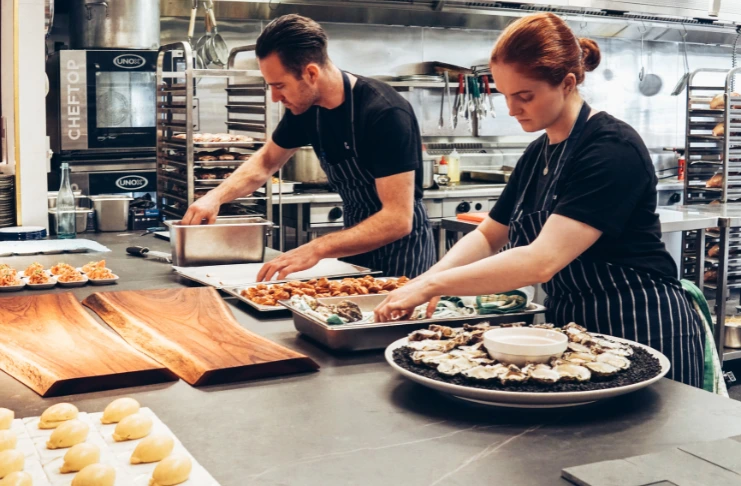

Running a restaurant kitchen is no easy feat. It’s the heart of your establishment, where culinary magic happens, and customer expectations are met—or exceeded. However, without proper kitchen management systems, even the most talented kitchen staff can struggle with inefficiencies, delays, and wasted resources. A well-managed kitchen is not just about cooking great food; it’s about maintaining seamless operations and ensuring customer satisfaction.
Effective kitchen management requires a strategic approach, from organizing workflows to controlling food costs and fostering teamwork. Restaurant owners and kitchen managers must juggle multiple responsibilities—staff scheduling, inventory control, recipe management, quality assurance, and safety compliance—while keeping up with the fast-paced service demands. In this blog, we’ll explore essential tips to help you manage your restaurant kitchen efficiently.
What Is Kitchen Management?
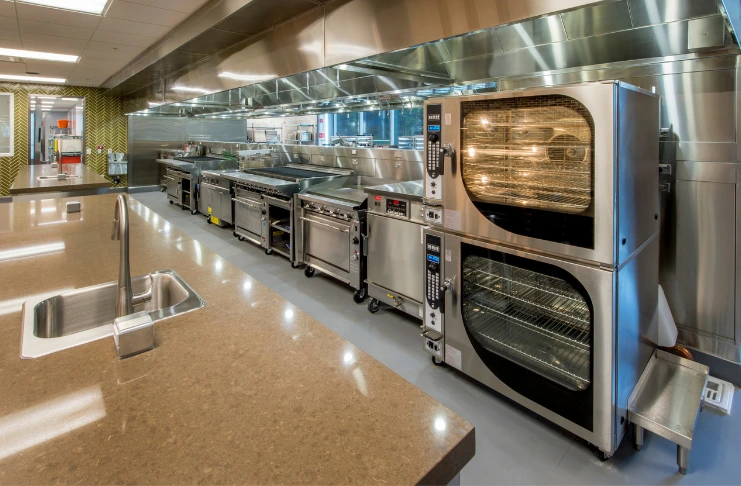
Kitchen management is the process of overseeing and optimizing all operations within a restaurant or food service kitchen. It involves coordinating staff, maintaining inventory, ensuring food safety compliance, streamlining workflow, and managing costs to enhance efficiency and profitability. A well-managed kitchen ensures smooth day-to-day operations, improving food quality, faster service, and improved customer satisfaction.
Effective kitchen management includes staff training, scheduling, and communication to maintain productivity and teamwork. Adhering to hygiene and food safety regulations is essential to prevent contamination and ensure customer health.
Responsibilities Of A Good Kitchen Manager
A good kitchen manager plays a vital role in ensuring the smooth operation of a restaurant’s kitchen. Here are some key responsibilities that contribute to effective kitchen management:
- Oversee Food Preparation: Ensure food is prepared according to the restaurant’s standards and recipes, maintaining consistency in taste, presentation, and quality.
- Manage Staff: Supervise kitchen staff, assign tasks, and ensure team members are trained and working efficiently. Provide guidance and resolve any staffing issues that arise.
- Maintain Inventory: Monitor stock levels and order ingredients as needed, ensuring that the kitchen has all the necessary supplies. Implement inventory control practices to reduce waste and manage costs.
- Ensure Food Safety and Cleanliness: Enforce food safety regulations and ensure the kitchen is always clean and sanitary. This includes regular cleaning schedules and checking the proper handling of food.
- Control Food Costs: Track food costs, control waste, and ensure consistency in all portions to maintain profitability while meeting quality standards.
- Monitor Kitchen Operations: Supervise the overall operation of the kitchen, ensuring that food is delivered on time and that the kitchen runs smoothly during peak hours.
The Importance Of Kitchen Management
Effective kitchen management is crucial for running a successful restaurant. A well-managed kitchen ensures smooth operations, high food quality, and customer satisfaction. It also helps control costs, reduce waste, and maintain hygiene standards. Here are five essential aspects of kitchen management and why they matter.
1. Efficient Inventory Management
Keeping track of ingredients and supplies is essential for cost control and minimizing waste. Poor inventory management can lead to overstocking, spoilage, or shortages that disrupt service. Implementing a system to track stock levels, using the FIFO (First In, First Out) method, and forecasting demand accurately can help maintain a well-balanced inventory.
2. Staff Training And Management
A kitchen is only as good as its team. Proper training ensures staff members understand food safety, cooking techniques, and time management. Cross-training employees can improve efficiency and flexibility during peak hours. Additionally, fostering a positive work environment reduces turnover and enhances productivity.
3. Maintaining Food Safety And Hygiene
Strict hygiene and food safety protocols are crucial to prevent foodborne illnesses and maintain customer trust. Kitchen managers should implement regular cleaning schedules, ensure proper food storage, and conduct staff training on hygiene and food prep practices. Compliance with local health regulations is also necessary to avoid legal issues.
4. Streamlined Workflow And Organization
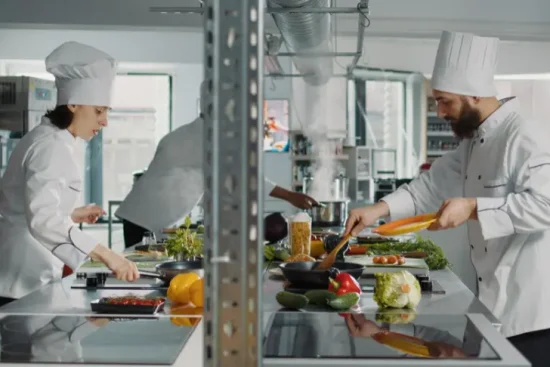
A well-organized kitchen layout and workflow enhance efficiency and reduce delays. Organizing workstations based on the kitchen brigade system ensures that each chef has a designated role, minimizing confusion. Investing in proper kitchen equipment and technology, such as a kitchen display system (KDS), can further improve efficiency.
5. Cost Control And Waste Reduction
Managing food costs and minimizing waste directly impact profitability. Effective portion control, using leftovers creatively, and monitoring ingredient usage can help reduce expenses. Regularly analyzing food costs and supplier pricing ensures that the kitchen operates within budget without compromising quality.
Essential Tips For Successfully Managing A Restaurant Kitchen
1. Implement A Clear Kitchen Workflow
A clear and efficient kitchen workflow is one of the most essential aspects of restaurant management. Establishing a streamlined system ensures that your kitchen runs smoothly, leading to faster food preparation, reduced errors, and increased customer satisfaction. A well-organized kitchen workflow optimizes operational efficiency and promotes better communication and teamwork among staff.
Organize your kitchen into distinct stations based on tasks, such as prep, grilling, sautéing, and plating. Each station should have its own designated area with the necessary tools and ingredients, allowing chefs to focus on their specific roles. This reduces clutter and the time spent searching for items, ensuring that staff can execute orders more quickly.
In addition to physical organization, it’s crucial to communicate clearly and set expectations for each team member. Ensure every employee understands their responsibilities and how their role fits into the larger kitchen process. Regularly check in to address potential issues before they escalate, ensuring everyone is on the same page.
Having a clear workflow also helps manage peak hours more effectively. During busy service times, your kitchen staff will know exactly where to go and what to do, allowing for faster preparation and delivery of orders. This efficiency boosts productivity, minimizes stress, and improves the overall dining experience for customers.
2. Use Technology To Optimize Operations
In today’s fast-paced restaurant environment, using technology to streamline operations is crucial for maintaining efficiency and minimizing errors. 40% of U.S. restaurant operators have adopted technology solutions to enhance kitchen productivity and minimize labor expenses. Investing in restaurant management software, including Kitchen Display Systems (KDS) and integrated Point of Sale (POS) systems, can significantly improve how your kitchen operates. These tools not only optimize daily operations but also help track orders, inventory, and kitchen performance in real time.
A Kitchen Display System replaces traditional paper tickets with digital screens, allowing kitchen staff to view orders instantly. This improves communication between the front-of-house and kitchen teams, reducing the risk of errors and speeding up food preparation. With real-time updates, kitchen staff can prioritize orders more effectively and ensure that each dish is prepared according to customer specifications.
An integrated POS system connects directly to your kitchen, enabling seamless order management and inventory tracking. Orders are automatically sent to the kitchen, reducing the chances of miscommunication. Additionally, POS systems allow for real-time inventory updates, helping you keep track of ingredients and stock levels without manual input. This reduces waste, ensures freshness, and helps avoid ingredient shortages during peak hours.
By adopting these technologies in the hospitality business, you not only enhance operational efficiency but also improve the overall dining experience for customers. With smoother operations, faster service, and fewer mistakes, your restaurant can thrive in an increasingly competitive market.
3. Standardize Recipes And Portion Sizes
Standardizing recipes and portion sizes is essential for maintaining consistency, quality, and profitability in any restaurant kitchen. By using precise measurements and written instructions for each dish, you can ensure that every meal meets your restaurant’s standards, providing customers with a predictable dining experience every time they visit. Additionally, standardized recipes play a crucial role in effective food cost management.
When recipes are standardized, you eliminate variability in ingredients, preparation methods, and presentation. This consistency improves customer satisfaction and builds your restaurant’s reputation for quality. Whether it’s a signature dish or a simple side, customers expect the same experience every time, and standardizing recipes ensures that expectation is met.
Portion control is equally important. By defining portion sizes, you avoid over- or under-serving, both of which can negatively affect food costs and customer satisfaction. Using tools like portion scoops, measuring cups, and scales ensures accuracy in every dish.
Standardizing recipes and portions also simplifies training for new staff, as they can follow clear, consistent guidelines without relying on individual interpretation. This improves kitchen efficiency and contributes to better overall food cost control.
4. Maintain High Standards Of Food Safety And Hygiene
Maintaining high food safety and hygiene standards has become more critical than ever in the restaurant industry. With customers placing a premium on cleanliness, restaurants prioritizing food safety can build customer trust and loyalty, which are essential for long-term success. Ensuring that your kitchen adheres to stringent sanitation protocols is crucial for public health and the reputation and financial success of your business.
One of the most essential steps is regular staff training on food handling, cleanliness, and hygiene procedures. Employees should be educated on proper handwashing techniques, safe food storage practices, and safe cooking temperatures to prevent cross-contamination.
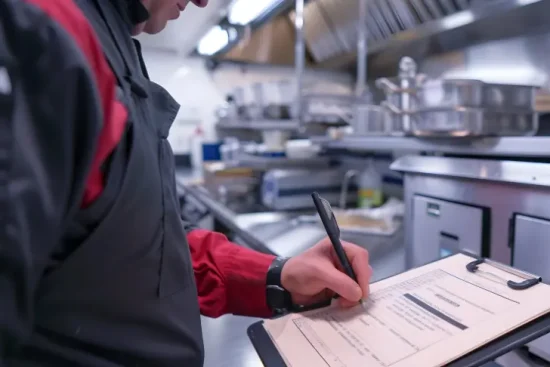
Additionally, routine cleaning and sanitizing of surfaces, equipment, and utensils should be scheduled and documented to ensure compliance with health regulations. Using food-safe disinfectants and cleaning supplies is essential in preventing harmful bacteria and viruses from contaminating food and surfaces.
Recent trends in food safety include the increased use of technology to monitor hygiene practices. Many restaurants now use digital systems that track cleaning schedules and staff health checks in real-time. Contactless ordering and payment systems have also gained popularity, reducing physical contact between staff and customers and minimizing the risk of contamination.
The U.S. Food and Drug Administration (FDA) and the Centers for Disease Control and Prevention (CDC) continue to provide updated guidelines for food safety in restaurants, emphasizing the importance of food safety culture in the workplace.
5. Streamline Inventory Management
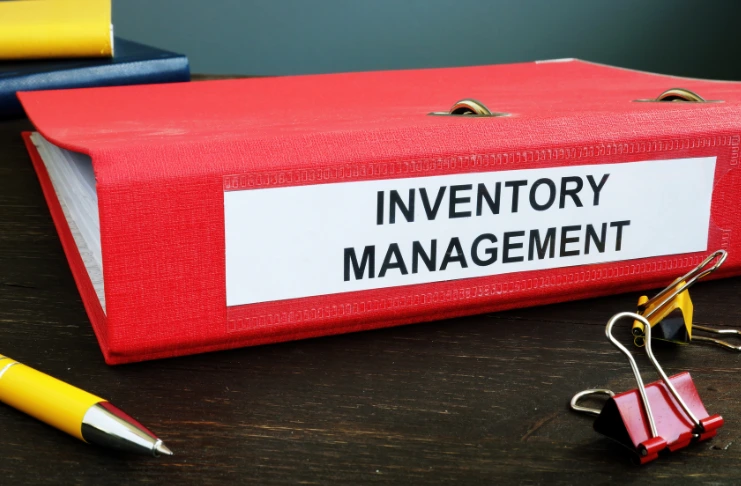
Effective inventory management is one of the cornerstones of running a successful restaurant business. Regularly reviewing inventory levels and utilizing modern software solutions to track stock can minimize waste, reduce costs, and ensure that ingredients are always fresh. In today’s competitive restaurant industry, optimizing inventory processes improves efficiency and boosts profitability.
One of the best ways to streamline inventory management is by adopting inventory tracking software. These tools provide real-time updates on stock levels, helping you monitor what’s available and when it’s time to reorder. Many software solutions can alert you when inventory runs low, ensuring you’re never caught off guard. Additionally, these tools often integrate with your POS system, allowing you to track usage trends and adjust orders based on actual demand.
Implementing a “First In, First Out” (FIFO) system is another key strategy for efficient inventory management. FIFO ensures that older products are used before newer ones, minimizing the risk of spoilage and waste. This is particularly important in restaurants with perishable items like dairy, meat, and produce. By organizing your inventory to prioritize the use of older stock, you can significantly reduce food loss and keep your ingredients fresh for longer.
Regularly auditing your inventory is crucial to identifying slow-moving items, expired products, or overstocked ingredients. With the help of software, you can create customized reports that help pinpoint inefficiencies and optimize your ordering practices.
6. Cross-Train Your Kitchen Staff

Cross-training your kitchen staff is a powerful strategy that can significantly boost your restaurant’s efficiency, especially during busy periods or staffing shortages. By training employees to work across multiple stations, you create a more adaptable and resilient kitchen team, which can be a game-changer for maintaining smooth operations in any restaurant.
One of the primary benefits of cross-training is flexibility. Cross-trained staff can step into different roles during peak hours or when an employee calls out sick without disrupting the kitchen’s workflow. For instance, a prep cook trained in grilling or sautéing can easily fill in during rush times, ensuring that service continues seamlessly. This flexibility ensures that you can handle unforeseen staffing challenges and reduces stress on individual team members, leading to a more balanced work environment.
Additionally, cross-training improves communication and collaboration among your team. When all staff members understand the responsibilities of each station, they can work together more effectively, anticipating the needs of their coworkers and providing assistance when necessary. This collaborative environment fosters teamwork and smoother operations, even during busy shifts.
Cross-training also enhances employee satisfaction and retention. Offering staff the opportunity to develop new skills and experience different kitchen roles can increase job satisfaction and motivation. It helps keep employees engaged, reduces burnout, and provides them with the opportunity for career growth within your restaurant.
7. Optimize Your Menu For Efficiency
Designing a menu with kitchen efficiency in mind is a smart strategy for any restaurant looking to improve its operations and enhance customer satisfaction. By focusing on dishes that can be prepared quickly and with minimal resources, you not only reduce preparation time but also improve kitchen productivity and reduce food waste.
Start by evaluating your menu and identifying dishes that require long preparation times or complex cooking methods. While it’s important to offer variety, too many intricate dishes can slow down kitchen operations, especially during peak hours. Instead, focus on items that are easy to execute and can be prepared using common ingredients. This approach minimizes the need for specialized equipment or extensive prep work, allowing your kitchen staff to work more efficiently.
Streamlining your menu also helps improve inventory management. By offering fewer dishes, you reduce the complexity of stock management and ensure that ingredients are used consistently across multiple items. This can help prevent ingredient waste and reduce food costs, as you’ll be able to buy in bulk and use ingredients more efficiently.
A streamlined menu that focuses on high-quality, popular dishes can boost both kitchen efficiency and customer satisfaction, leading to a more successful restaurant operation.
8. Use Automation Tools And Equipment
Incorporating modern kitchen equipment and automation tools is a game-changer for restaurants looking to increase efficiency, reduce labor costs, and improve consistency in food quality. Automated fryers, grills, dishwashers, and other kitchen technologies help streamline processes, allowing your kitchen to operate at peak efficiency even during busy service times.
Automated fryers and grills, for example, can ensure that food is cooked to the perfect temperature every time, reducing human error and maintaining consistency. These systems are often designed to handle high volumes of orders quickly, which is essential during peak dining hours. Additionally, automated systems allow for real-time adjustments to cooking times and temperatures, ensuring precision in every dish.
Dishwashers equipped with automation technology can significantly reduce the time spent on manual dishwashing, improving kitchen workflow and freeing up staff to focus on food preparation. By automating repetitive tasks, kitchen staff can work more efficiently, ultimately improving the speed of service and reducing labor costs.
Automation technology has become essential for restaurants and bars, helping address staffing shortages, boost efficiency, and meet growing customer demands for speed and consistency.
9. Foster Strong Communication Among Staff
Effective front-of-house communication is vital to providing seamless restaurant service. Strong communication ensures that orders are processed accurately, customer feedback and requests are addressed promptly, and potential issues are dealt with before they escalate, ultimately leading to a smoother dining experience for guests. Encouraging open lines of communication between all team members is essential for a well-run restaurant operation.
To foster strong communication, it’s important to establish clear channels for interaction between front-of-house and kitchen staff. This can be achieved through regular check-ins, such as pre-shift meetings, where managers can discuss the day’s expectations, special menu items, and any challenges anticipated.
Creating a culture of open communication also involves empowering staff to speak up when issues arise. This helps build trust and transparency among staff, resulting in a more collaborative and efficient working environment.
10. Monitor And Improve Staff Performance
Regularly monitoring and evaluating your kitchen staff’s performance is essential for maintaining a high standard of service and productivity. By conducting performance reviews and offering consistent feedback, you ensure that your staff meets the restaurant’s expectations and create opportunities for growth and improvement. This proactive approach helps identify strengths, address weaknesses, and build a more cohesive and efficient team.
Performance reviews should be an ongoing process, not just limited to annual evaluations. Offering regular feedback—both positive and constructive—ensures that staff members understand where they excel and where they can improve. Recognizing hard work and achievement boosts morale and fosters a positive work environment to motivate employees. Acknowledging team members for their contributions encourages them to continue performing at a high level.
Additionally, providing constructive criticism in a supportive manner helps employees understand how to improve without feeling demotivated. Incentive programs can further motivate kitchen staff. Offering rewards for outstanding performance, such as bonuses, gift cards, or extra time off, helps encourage staff to perform their best. When employees feel valued and motivated, they are more likely to deliver consistent, high-quality results, which ultimately contribute to the restaurant’s overall success.
11. Prepare For Peak Hours With Pre-Prep

Preparing for peak hours is crucial for ensuring smooth restaurant operations and maintaining a high level of service during busy times. One of the best strategies to achieve this is through pre-prep. By preparing key ingredients, such as sauces, dressings, and proteins, in advance, you reduce the workload during peak service hours, allowing your kitchen staff to focus on quicker tasks like assembly and plating.
Pre-prepping essential items allows your kitchen team to work more efficiently when the orders start coming in fast and furious. Similarly, marinating and portioning proteins before service saves time and ensures consistency in portion sizes and the quality of food orders.
Having prepped ingredients on hand allows kitchen staff to operate faster, reducing bottlenecks and minimizing stress. This also helps prevent errors and delays, as staff can focus solely on putting together dishes rather than preparing components.
12. Emphasize Sustainability
Sustainability is no longer just a trend in the restaurant industry—it’s a necessity. With growing consumer awareness around environmental impact, restaurants that prioritize sustainability improve operational efficiency and resonate with eco-conscious customers. Embracing sustainable practices can significantly reduce food waste, lower costs, and help your restaurant stand out in a competitive market.
Industry Insight
An article in Forbes emphasizes that sustainability is no longer just a trend but a crucial aspect of a restaurant’s branding strategy. As consumers become more environmentally conscious, restaurants are responding by sourcing organic and local ingredients, reducing food waste, and implementing energy-efficient practices: